Harley Street Medical Centre, Abu Dhabi
050 513 9016
02 613 3808
info@drrabihmaatouk.com
info@hsmc.ae
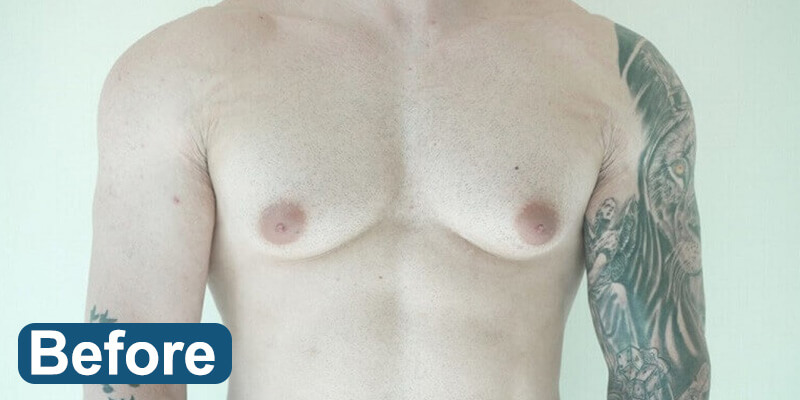
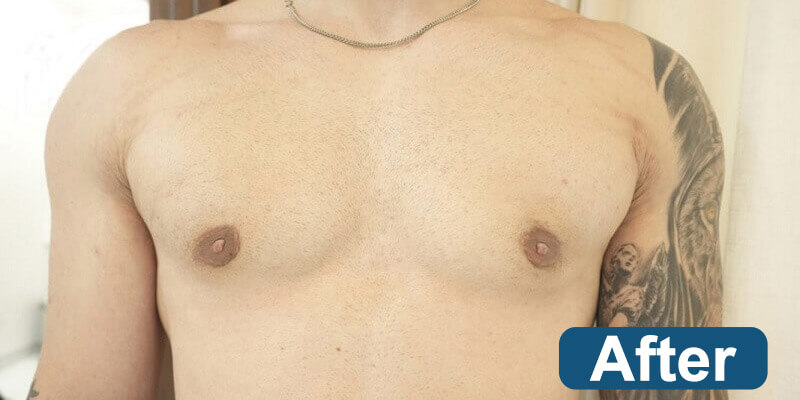
Gynecomastia is a condition that causes the enlargement of breast tissue in males. It can occur at any age and can be caused by a variety of factors, including hormonal changes, certain medications, and genetics.
Male gynecomastia may also be seen in neonates, adolescents, and elderly individuals, as a part of physiological changes.
This condition can affect one or both breasts. Occasionally they may also secrete milk.
The best candidates for gynecomastia surgery are men who:
Before the surgery, the patient will have a consultation with the surgeon to discuss their goals and determine the best approach for their individual needs. The surgeon will perform a physical examination and may also order blood tests or imaging studies to determine the underlying cause of the gynecomastia.
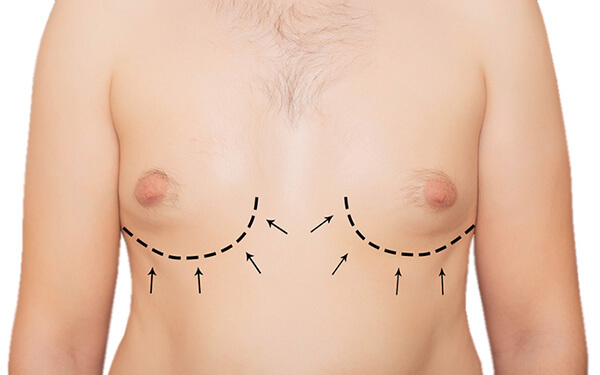
During the surgery, the surgeon will make incisions in the chest area and remove excess breast tissue and skin. In some cases, liposuction may also be used to remove excess fat. The procedure typically takes 1-2 hours and is performed under general anesthesia.
After the surgery, patients may experience some swelling, bruising, and discomfort, which can be managed with pain medication and rest. Patients should avoid strenuous activities and heavy lifting for several weeks and wear a compression garment to aid in the healing process.

Gynecomastia surgery can help patients achieve a flatter, more masculine chest contour and boost their confidence and self-esteem. It also reduces the risk of breast cancer. The results of the surgery are typically long-lasting, but it is important to maintain a healthy lifestyle and avoid significant weight fluctuations to preserve the results.
Male gynecomastia may also be seen in neonates, adolescents, and elderly individuals, as a part of physiological changes.
This condition can affect one or both breasts. Occasionally they may also secrete milk.
The best candidates for gynecomastia surgery are men who:
Before the surgery, the patient will have a consultation with the surgeon to discuss their goals and determine the best approach for their individual needs. The surgeon will perform a physical examination and may also order blood tests or imaging studies to determine the underlying cause of the gynecomastia.
During the surgery, the surgeon will make incisions in the chest area and remove excess breast tissue and skin. In some cases, liposuction may also be used to remove excess fat. The procedure typically takes 1-2 hours and is performed under general anesthesia.
After the surgery, patients may experience some swelling, bruising, and discomfort, which can be managed with pain medication and rest. Patients should avoid strenuous activities and heavy lifting for several weeks and wear a compression garment to aid in the healing process.
Gynecomastia surgery can help patients achieve a flatter, more masculine chest contour and boost their confidence and self-esteem. It also reduces the risk of breast cancer. The results of the surgery are typically long-lasting, but it is important to maintain a healthy lifestyle and avoid significant weight fluctuations to preserve the results.